
Ruben Amorim’s tenure at Manchester United ended abruptly after just 14 months, marking one of the most turbulent periods in recent Old Trafford history. When hired, Amorim was seen as a young, innovative coach with a track record of success in Portugal. However, adapting to the Premier League’s intense pressure, dealing with high-profile players, and navigating the club’s unstable hierarchy proved far more challenging than anticipated. The Portuguese manager’s departure highlights not only his struggles but also the ongoing mismanagement under Sir Jim Ratcliffe’s leadership.
Amorim’s exit followed a 1–1 draw at Leeds United, during which he made public comments questioning the club’s hierarchy. These remarks were widely interpreted as a direct challenge to those above him, leaving Manchester United with little option but to terminate his contract. The speed of his departure stunned fans and pundits alike, with Gary Neville calling it both shocking and, in some ways, inevitable. Despite being widely regarded as hardworking, honest, and committed, Ruben Amorim was unable to convert his ideas into consistent Premier League success.
- Coach: Ruben Amorim
- Club: Manchester United
- Tenure: 14 months
- Reason for Exit: Public criticism of hierarchy and poor results
- Premier League Position at Departure: 15th
- Contract Trigger: £9.25m release clause from Sporting Lisbon
- Notable Signings: Matheus Cunha, Bryan Mbeumo, Benjamin Sesko
- Interim Replacement: Darren Fletcher (Caretaker)
- Win Percentage: 31.9% (lowest since Alex Ferguson era)
- Key Issues: Tactical inflexibility, player management, fractured relations with leadership
From the beginning, Ruben Amorim faced structural challenges at Manchester United. Predecessor Erik ten Hag had been sacked just months earlier, despite winning the FA Cup, highlighting the club’s indecisiveness. Key staff, including sporting director Dan Ashworth, left after short stints, creating a vacuum in decision-making and further complicating Amorim’s task. This instability, coupled with a series of expensive but poorly targeted signings, made it increasingly difficult for any manager to succeed.
Tactically, Ruben Amorim favored a 3–4–3 system, which he believed maximized attacking potential. While this worked in Portugal, it struggled in the Premier League, where opposition teams exploited gaps in his defensive structure. Amorim’s reluctance to adapt his formation became a recurring issue, frustrating fans and adding tension within the squad. High-profile decisions, such as loaning Marcus Rashford to Barcelona and selling Alejandro Garnacho to Chelsea, also drew criticism. Meanwhile, promising academy talent Kobbie Mainoo saw limited playing time, further fueling scrutiny of the Portuguese manager.
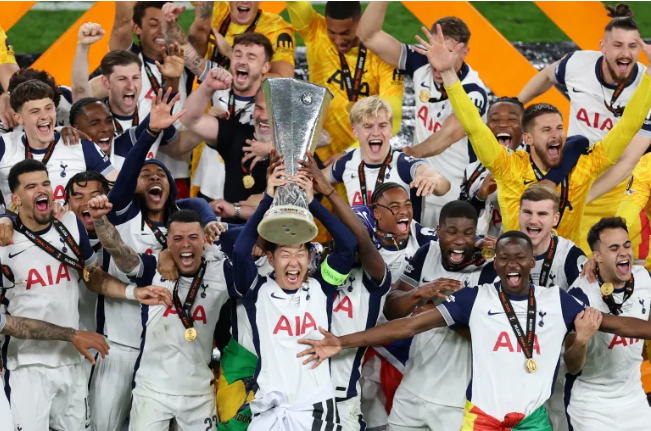
Despite significant investment in attacking talent—including £200 million on Matheus Cunha, Bryan Mbeumo, and Benjamin Sesko—Manchester United’s performances remained below expectations. The team finished in 15th place in the Premier League, and although Amorim led United to the Europa League final, a heavy defeat to Tottenham Hotspur reinforced doubts about his tactical impact. Ruben Amorim’s struggles illustrate how a lack of alignment between management, coaching, and players can prevent even talented coaches from achieving success.
Ruben Amorim’s relationship with the club’s leadership also played a crucial role in his downfall. Publicly challenging the hierarchy during post-match interviews undermined confidence in his position. Gary Neville described this as a symptom of wider dysfunction at Old Trafford, while Paul Scholes suggested that Amorim “talked himself into trouble.” This breakdown in communication, combined with on-field underperformance, made his departure inevitable.
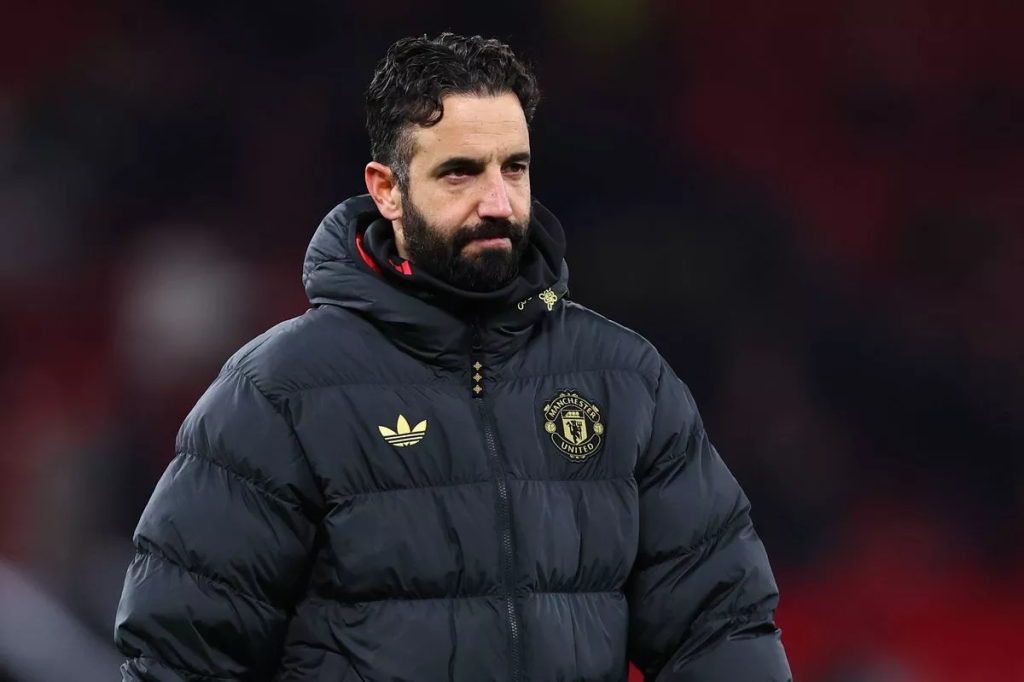
Manchester United’s board now faces the difficult task of finding a permanent replacement who can stabilize the club and restore confidence among fans and players alike. Darren Fletcher has been appointed as caretaker manager while the search continues. The club’s management must ensure that the next appointment can handle both the pressures of the Premier League and the complexities of a high-profile, historically significant club like Manchester United. Ruben Amorim’s experience serves as a cautionary tale about the challenges of managing elite football clubs under unstable leadership structures.
Ruben Amorim’s departure marks another chapter in Manchester United’s ongoing instability. Despite his hard work and commitment, he struggled to adapt to the Premier League, manage high-profile players, and navigate an unsettled leadership. His tenure highlights the complex challenges facing modern football managers and serves as a reminder that even talented coaches require stability, trust, and alignment with club leadership to succeed.
FAQs :
Q1: Why was Ruben Amorim sacked by Manchester United?
Ruben Amorim was sacked after publicly criticizing the club’s hierarchy and failing to achieve consistent results in the Premier League.
Q2: How long did Ruben Amorim manage Manchester United?
He managed Manchester United for 14 months.
Q3: What position was Manchester United in when Ruben Amorim left?
The club was 15th in the Premier League.
Q4: Who replaced Ruben Amorim temporarily?
Darren Fletcher was appointed as caretaker manager.
Q5: Did Ruben Amorim make significant signings at Manchester United?
Yes, he signed Matheus Cunha, Bryan Mbeumo, and Benjamin Sesko, though the team’s results did not improve significantly.
Q6: Was Ruben Amorim successful in European competitions?
He reached the Europa League final but lost to Tottenham Hotspur.