
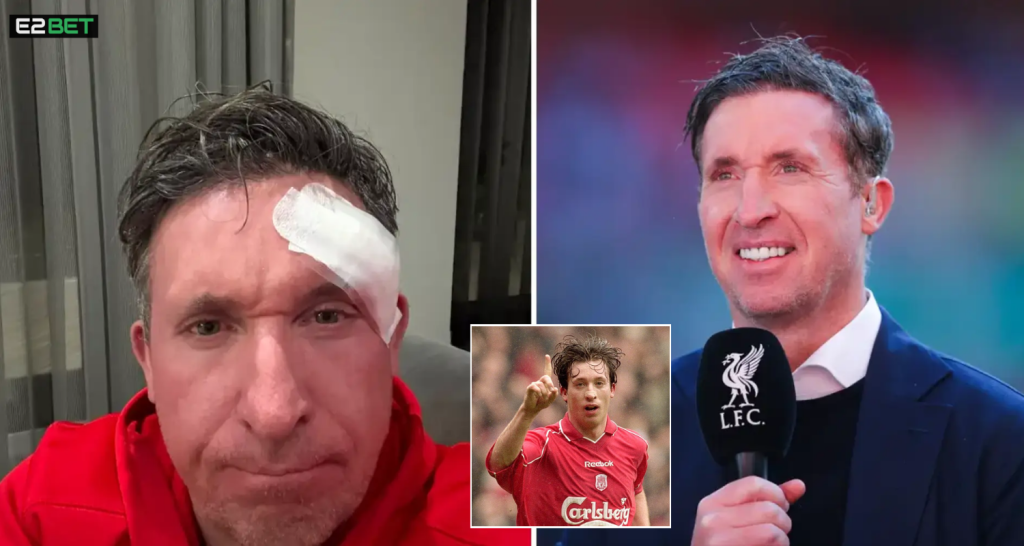
Liverpool legend Robbie Fowler has recently shared that he underwent surgery to remove skin cancer from his face, reassuring fans that the procedure was successful and using his experience to encourage others to prioritize skin health. The former Liverpool striker posted before-and-after images on social media, emphasizing the importance of early detection and regular skin checks.
The 50-year-old football icon confirmed that the spot removed above his eye was diagnosed as basal cell carcinoma, a type of non-melanoma skin cancer. Speaking to fans on X (formerly Twitter), Liverpool legend Robbie Fowler said, “Before and after… been a few people lately saying the same thing, go and get those blemishes/spots checked, basal cell carcinoma. Caught early thankfully so all good… just need to get a club now.” His candid post immediately sparked an outpouring of support from fans, former teammates, and football personalities.
Luis Garcia, former Liverpool forward, wrote, “Get well soon mate,” while ex-goalkeeping coach John Achterberg added, “Good all is ok mate.” CBS reporter Christine Cupo also praised the football icon, stating, “Heal up well! Great awareness for early detection.” Many fans highlighted the importance of Fowler’s message, appreciating his willingness to raise awareness about the risks of skin cancer.
Key Facts About Liverpool Legend Robbie Fowler
- Name: Liverpool legend Robbie Fowler
- Age: 50
- Diagnosis: Basal cell carcinoma (non-melanoma skin cancer)
- Surgery: Blemish removed above left eye
- Social Media Announcement: X (formerly Twitter) and Instagram
- Career Highlights: 120 league goals for Liverpool, PFA Young Player of the Year 1995 & 1996, Premier League second-fastest hat-trick
- Clubs Played: Liverpool, Leeds United, Manchester City, Cardiff City, Blackburn Rovers, North Queensland Fury, Perth Glory, Muangthong United
- Managerial Career: Brisbane Roar, East Bengal, Al-Qadsiah
- Key Message: Early detection is crucial; check skin spots regularly
According to the NHS, basal cell carcinoma develops in the top layer of the skin and is a non-melanoma form of cancer. Prolonged exposure to ultraviolet (UV) light from the sun or sunbeds is the primary cause. Factors that increase the risk of this type of skin cancer include age, fair skin, and a history of skin cancer.
Symptoms of basal cell carcinoma often appear as a scab that bleeds and does not heal, a new lump on the skin, or a slowly enlarging nodule. Some lesions present as scaly red marks, while others form lumps with a pearl-like rim and visible blood vessels. Early detection usually ensures a positive outcome, and the NHS emphasizes regular skin checks, particularly for individuals with risk factors.
Liverpool legend Robbie Fowler’s announcement serves as a timely reminder of these precautions. He urged his fans to monitor their skin health, stating, “Go and get those blemishes/spots checked,” highlighting that early detection is key to preventing serious complications.
Robbie Fowler’s Football Career
Liverpool legend Robbie Fowler is widely remembered for his prolific career as a forward. Scoring 120 league goals in 236 appearances for Liverpool, he remains one of the club’s all-time top scorers. Beyond Liverpool, Fowler also represented Leeds United, Manchester City, Cardiff City, Blackburn Rovers, and overseas clubs North Queensland Fury, Perth Glory, and Muangthong United.
During his illustrious career, Liverpool legend Robbie Fowler achieved several remarkable milestones. He scored the Premier League’s second-fastest hat-trick, netting three goals in four minutes and 33 seconds against Arsenal. He was named PFA Young Player of the Year in consecutive seasons (1995 and 1996), joining Ryan Giggs and Wayne Rooney in this rare achievement.
Liverpool legend Robbie Fowler also earned 26 caps for England, scoring seven goals while competing with prominent forwards such as Alan Shearer, Teddy Sheringham, Ian Wright, and Michael Owen. His skill, determination, and scoring ability made him an iconic figure at Liverpool and in English football overall.
After retiring in 2012, Liverpool legend Robbie Fowler transitioned into management. He coached Brisbane Roar, East Bengal, and most recently Al-Qadsiah in Saudi Arabia until 2023. Even off the pitch, Fowler continues to impact football by sharing knowledge, mentoring players, and inspiring fans globally.
Fan Reactions and Awareness
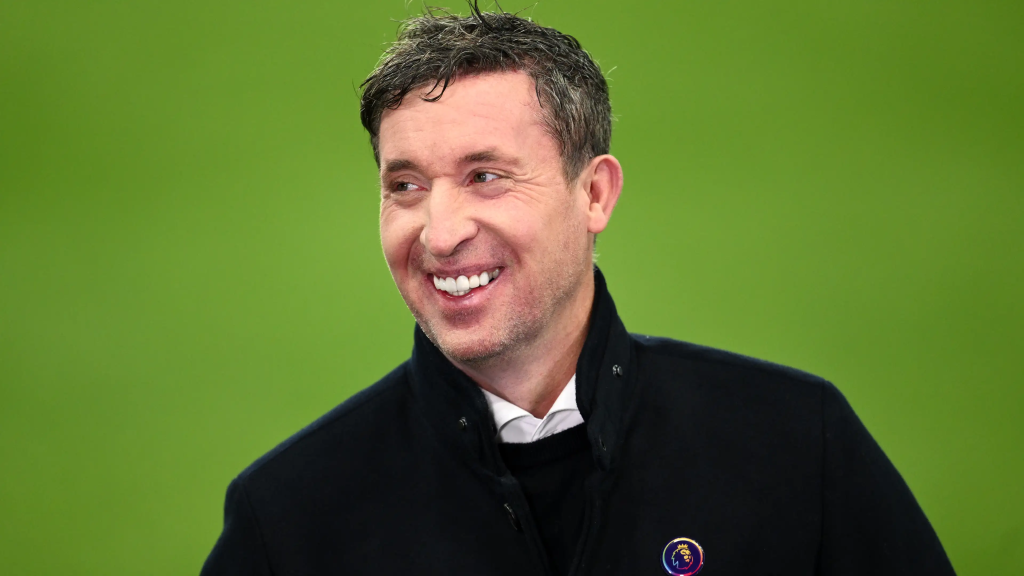
Liverpool legend Robbie Fowler’s message about his skin cancer diagnosis resonated deeply with supporters. Fans praised him for raising awareness about early detection, sharing personal experiences, and encouraging others to regularly check their skin. Many followers thanked Fowler for emphasizing the importance of taking action before minor blemishes turn into serious health issues.
The former striker’s candid post underscores a key health lesson: basal cell carcinoma, if caught early, is often treatable with a minor procedure, but delaying checks can have serious consequences. By sharing his journey, Liverpool legend Robbie Fowler demonstrates both personal resilience and a commitment to public health awareness.
Liverpool legend Robbie Fowler’s story is a testament to the importance of vigilance and the power of influence. His career achievements and continued advocacy show that he remains a beloved figure in football while using his platform to promote awareness of critical health issues. Fans across the world have responded with admiration and support, reinforcing his legacy both on and off the pitch.
FAQs
Q1: What type of cancer did Liverpool legend Robbie Fowler have?
A1: Fowler was diagnosed with basal cell carcinoma, a type of non-melanoma skin cancer.
Q2: How did Fowler announce his skin cancer surgery?
A3: Fowler shared before-and-after photos on social media platforms X and Instagram, along with a message urging people to check their skin.
Q3: What are the common causes of basal cell carcinoma?
A4: The main cause is prolonged exposure to ultraviolet light from the sun or sunbeds. Risk factors include fair skin, older age, and previous skin cancers.
Q4: How can people reduce the risk of skin cancer?
A5: Using sunscreen regularly, avoiding prolonged sun exposure, and monitoring skin for new or changing spots can help reduce the risk.